[AY 25-26] Deep Learning for the classification of archaeological pottery
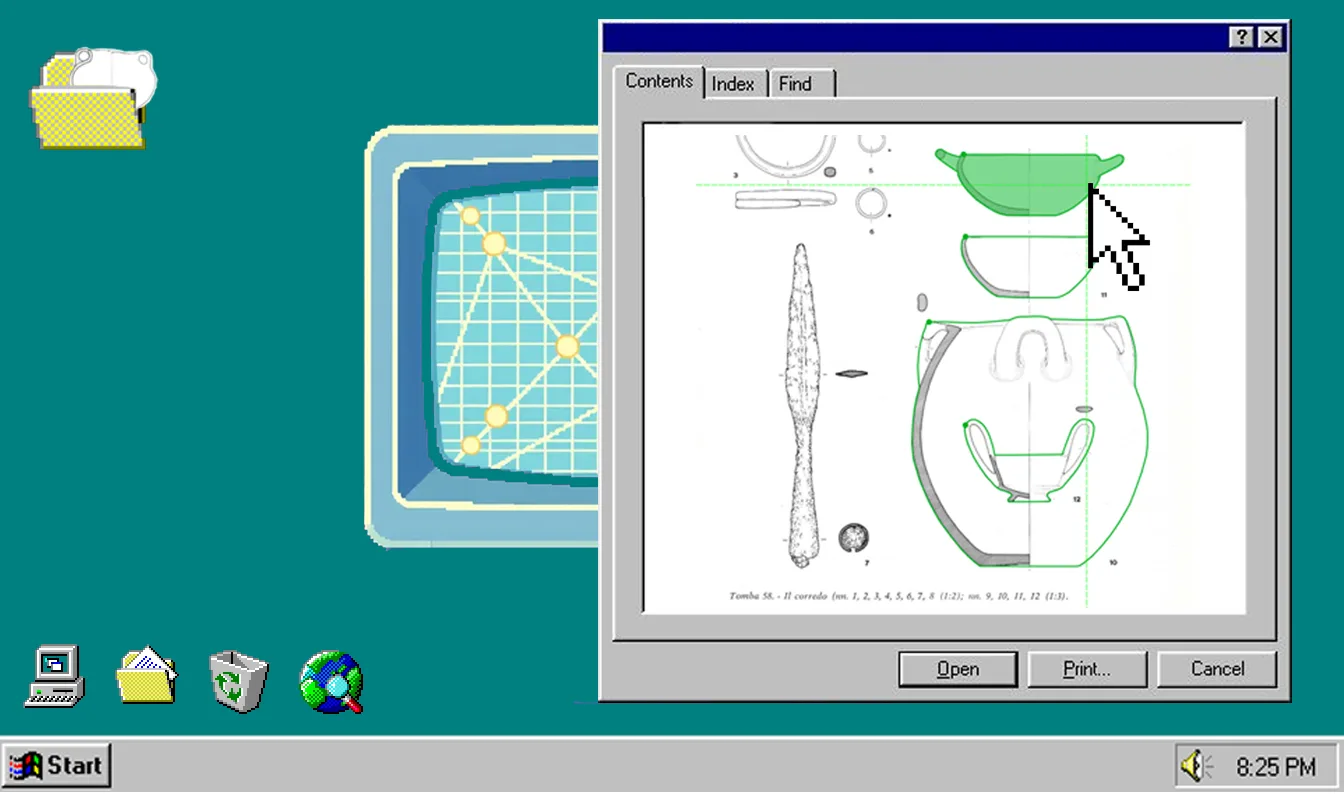
LAD's theoretical-practical lab for learning to use Computer Vision and Deep Learning applied to the study and classification of archaeological pottery.


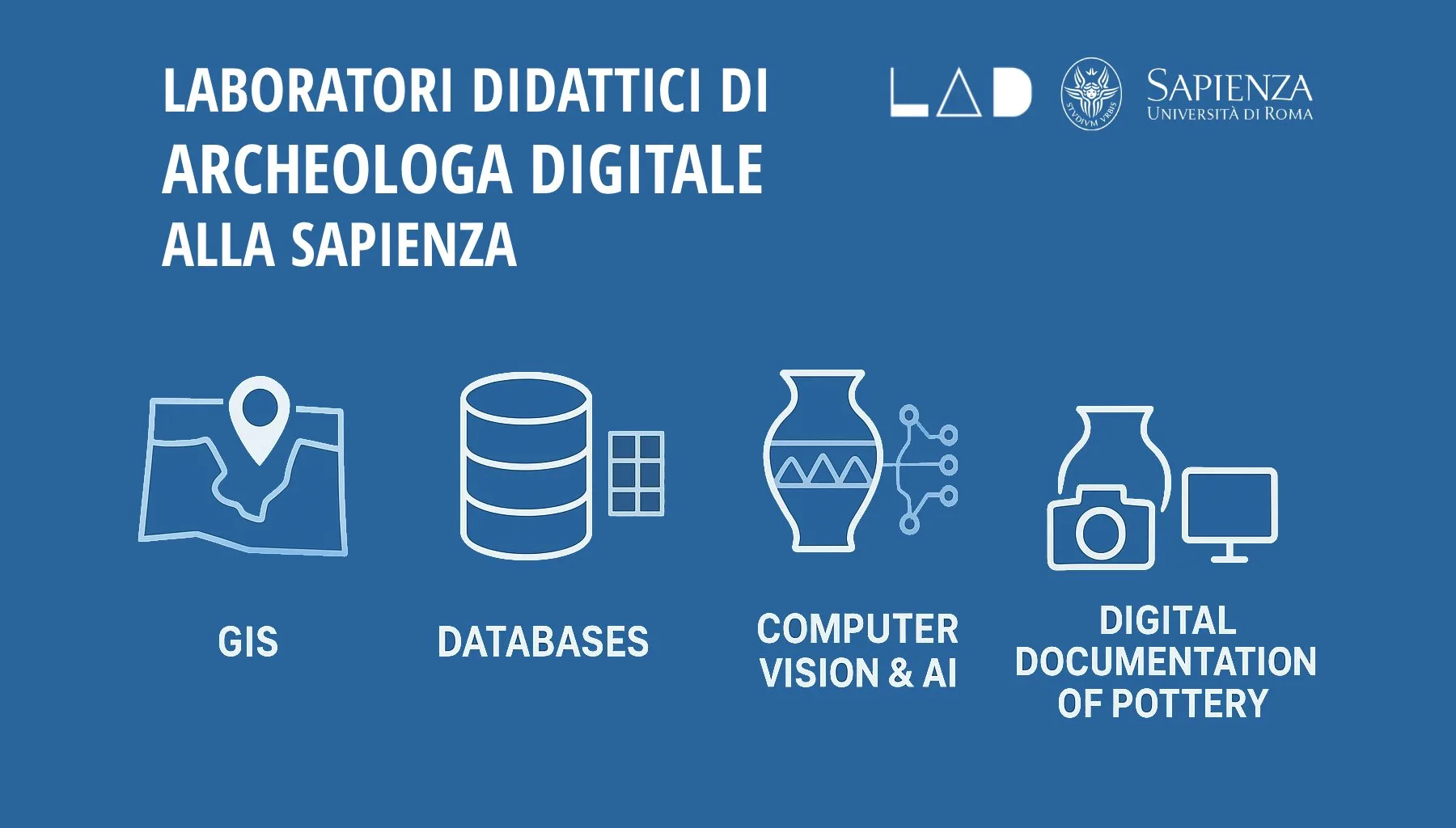
Since 2017, Sapienza has hosted a hands-onintroductory lab on Geographic Information System (GIS) technologies, with a particular focus on the free softwareQGIS. The lab aims to provide the theoretical and practical foundations needed to independently set up and develop GIS projects and engage with digital cartography. It is aimed primarily at Sapienza University of Rome students, but is also open to outside students or professionals. Due to the pandemic, the 2020 edition was heldonline. In recent editions, the GIS lab has been paired with sessions on designing, implementing, and using relational databases, with an introduction to the SQL language. Participants in particular learned to design, build, and implement an online relational database usingBradypus, software developed and maintained by LAD for the easy online management of archaeological databases and, more broadly, of Cultural Heritage data.
We are working on defining the calendar for the Digital Archaeology Teaching Labs for the 2025-2026 academic year. As in the previous year, teaching should cover the following modules:
All the information needed to register will be published on this page as the schedule and calendar for the various modules are defined.
LAD's theoretical-practical lab for learning to use Computer Vision and Deep Learning applied to the study and classification of archaeological pottery.
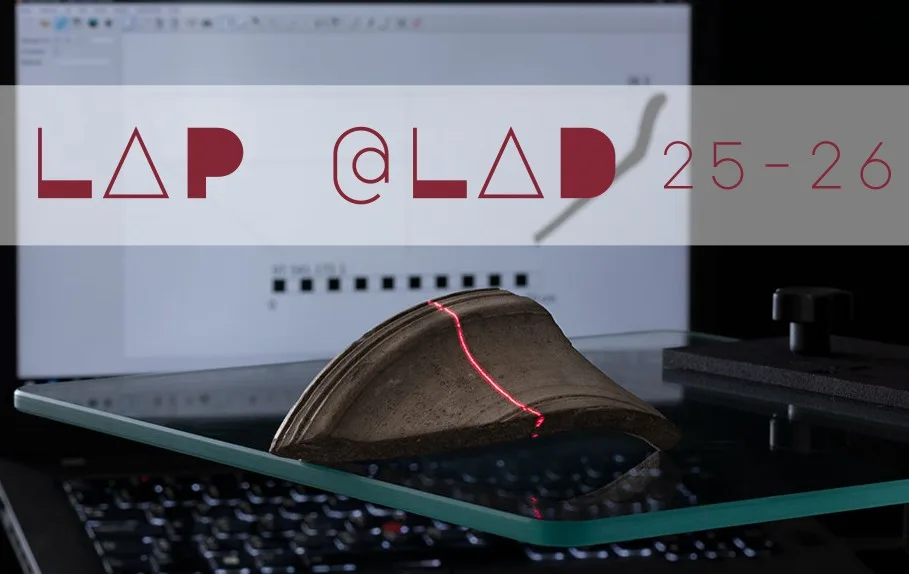
As part of its teaching offer for the 2025-2026 academic year, LAD is organising the teaching module: “Laser Aided Profiler (LAP) for the documentation of ceramic profiles”
The teaching offer of the Digital Archaeology Lab for the 2023-2024 academic year. Registration, participation, schedule...
As part of its teaching offer for the 2024-2025 academic year, LAD is organising the teaching module: “Application of Computer Vision for managing archaeological Legacy Data”
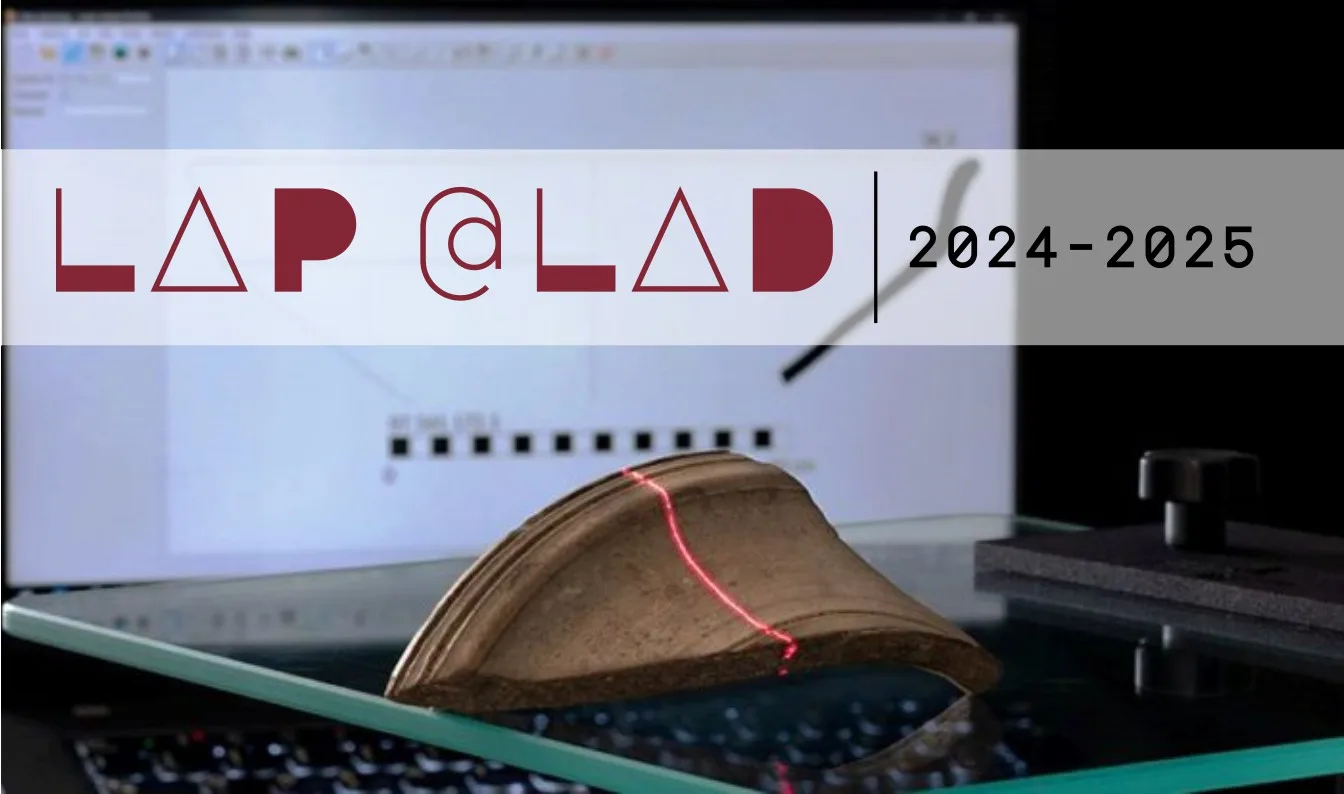
As part of its teaching offer for the 2024-2025 academic year, LAD is organising the teaching module: “Laser Aided Profiler (LAP) for the documentation of ceramic profiles”
The teaching offer of the Digital Archaeology Lab for the 2023-2024 academic year. Registration, participation, schedule...
Internship activities in digital archaeological documentation for the Sapienza Archaeological Mission in Albania
The teaching offer of the Digital Archaeology Lab for the 2023-2024 academic year. Registration, participation, schedule...
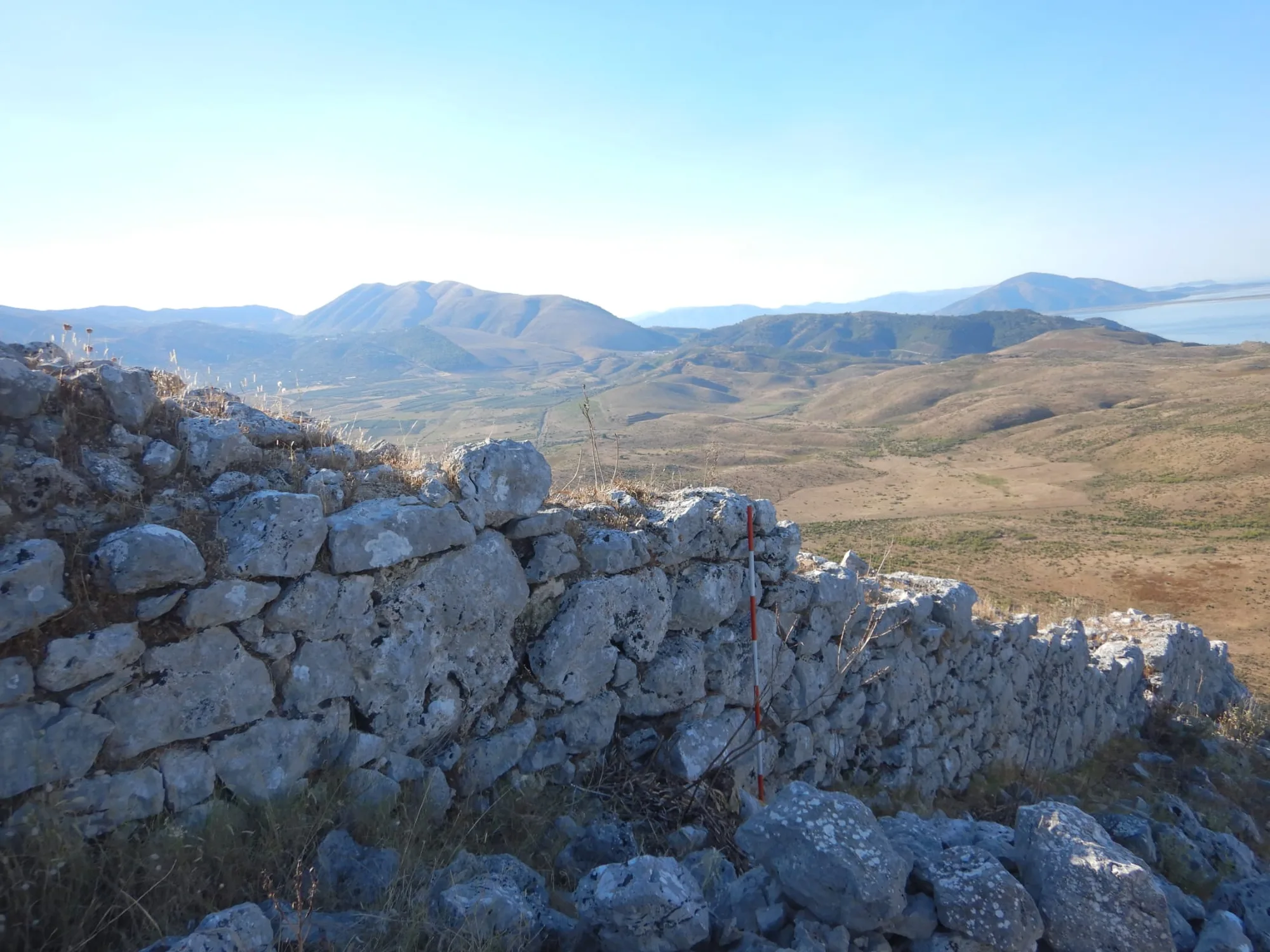
The Lab on the landscapes of southern Albania, linked to the “archaeological mission to Çuka e Ajtoit (ancient Kestría)” directed by Julian Bogdani, examines human settlement and the landscape of southern Albania from the Middle Ages to the modern era. The lab focuses on preparing a georeferenced bibliographic database, using Zotero and QGIS, for a better understanding of the territory and of the human communities that have inhabited it. The project is run by the Chair of Medieval Archaeology at Sapienza Università di Roma, under the guidance of Prof. Francesca Romana Stasolla.
The teaching offer of the Digital Archaeology Lab for the 2022-2023 academic year. Registration, participation, schedule...
LAD's teaching offer: teaching labs on GIS platforms and Databases for archaeology for the 2021-2022 academic year. Registration, participation, schedule, programme...